Skip to content
Practical AI for small businesses

Less time on the day-to-day.
More time on the business.

You do not need an AI strategy deck. You need to know which part of your business is taking too long, creating friction or letting opportunities slip through. I help you find one practical place AI can help, test the smallest useful solution and see whether it is worth keeping.

Start with a real problem. Build the simplest useful version. Measure whether it helped.
Does this sound familiar?

Too much of your day is spent on work that should not take this long.

The best place to start is usually not the biggest job. It is the work around it: the searching, checking, following up, reformatting, reporting and chasing.

  • Every Friday, the same report takes two or three hours to prepare.
  • Leads arrive, quotes go out and follow-ups depend on someone remembering.
  • Useful information is buried in emails, notes, PDFs and spreadsheets.
  • Customer enquiries come in from too many places to keep up properly.
  • You are constantly copying information from one system into another.
  • You have data, but no clear view of what needs attention.
  • There is a task you keep putting off because it is tedious and nobody enjoys it.
  • You want to test an idea, but a full software project feels too slow or expensive.
Those are the kinds of problems I look for.
The three AI Value Levers

AI should create measurable value, not more complexity.

Every worthwhile AI improvement should move at least one of three levers. If it does not, it is probably not worth building.

  • Effectiveness

    Make more money or protect revenue. Surface follow-ups, identify opportunities that need attention, support better decisions and test a new idea before making a large commitment.

  • Efficiency

    Give the owner and team hours back. Reduce repetitive admin, document work, reporting, research and information hand-offs that take longer than they should.

  • Quality

    Make customers happier. Deliver faster, more consistent answers, reduce avoidable mistakes and make useful information easier for the right person to find.

Examples

What this can look like

These are examples of the kind of improvement we might test. They are not promises or off-the-shelf products.

Turn information into something useful

Before
You read customer emails, meeting notes or documents one by one, then create the same summary every week.
After
AI organises the themes and drafts the summary. You review the important points and decide what happens next.
Value: Efficiency + insight.
Start with an assessment

First, we find out what is actually worth fixing

We start with a conversation about how work gets done in your business today. What takes too long, what gets repeated, what gets missed and what your team would happily never do again.

  1. We look at how you work

    You walk me through a typical week, the tools you use and the work that creates the most friction.

  2. I identify the best opportunities

    You receive a practical assessment showing where AI could save time, improve quality or help you capture more value, with recommendations on where to start.

  3. We decide what makes sense

    We go through the recommendations together, answer your questions and choose the next step.

Then you decide what happens next

  • You take it from there

    Use the assessment and implement the recommendations yourself.

  • I build it

    I build and test the first solution for you.

  • We build it together

    We work side by side so you and your team can learn how to use and improve it.

The point is not to sell you a big AI project. It is to figure out what is worth doing first.

Book an assessment →
Stef, smiling, in a studio portrait against a grey background
About Stef

I spent 20 years building software products and leading product and engineering teams.

I know the difference between a good idea, a useful first version and a project that becomes more complicated than the problem it was meant to solve.

Now I bring that same thinking to small businesses using AI.

I start with the work that is costing time, money or quality, create a small, usable version, and make the next decision with evidence.

You do not need to be technical. You do need a real problem worth solving.

Connect with me on LinkedIn (opens in a new tab)
References

Work that is already in use

Nutrition coaching practice

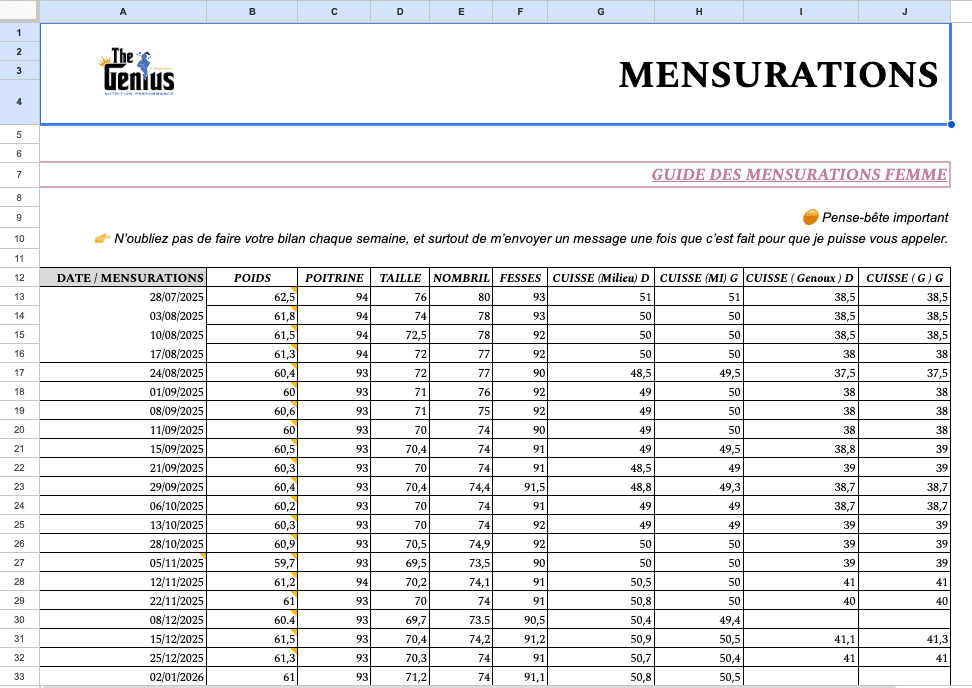
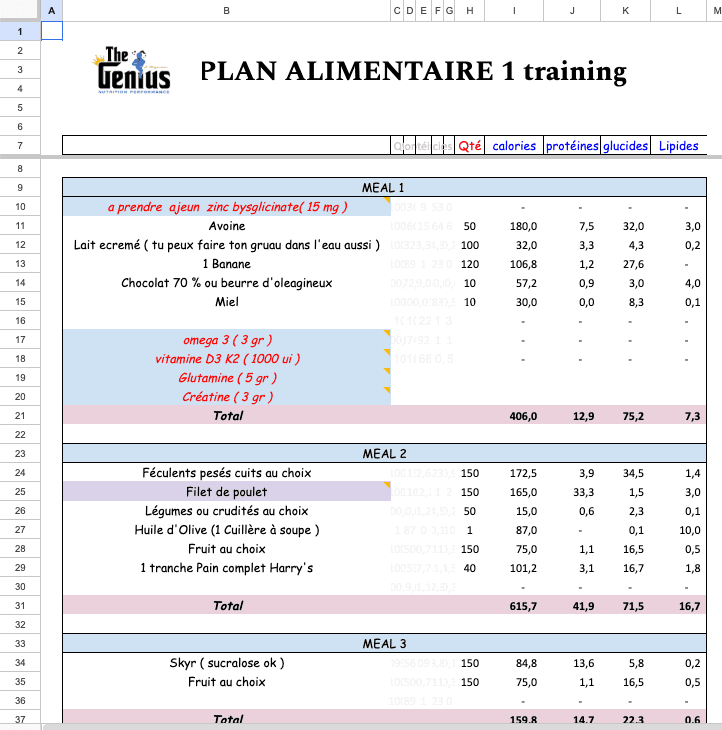
Dashboards on top of the coach’s spreadsheets

The problem

A nutrition coach keeps one Google Sheet per athlete: body measurements, daily tracking and the meal plan. Everything is in there, and none of it is easy to read. The athlete fills in cells on a phone and cannot see their own progress. The coach opens each sheet and reads down the rows to work out how the month has gone.

What was built

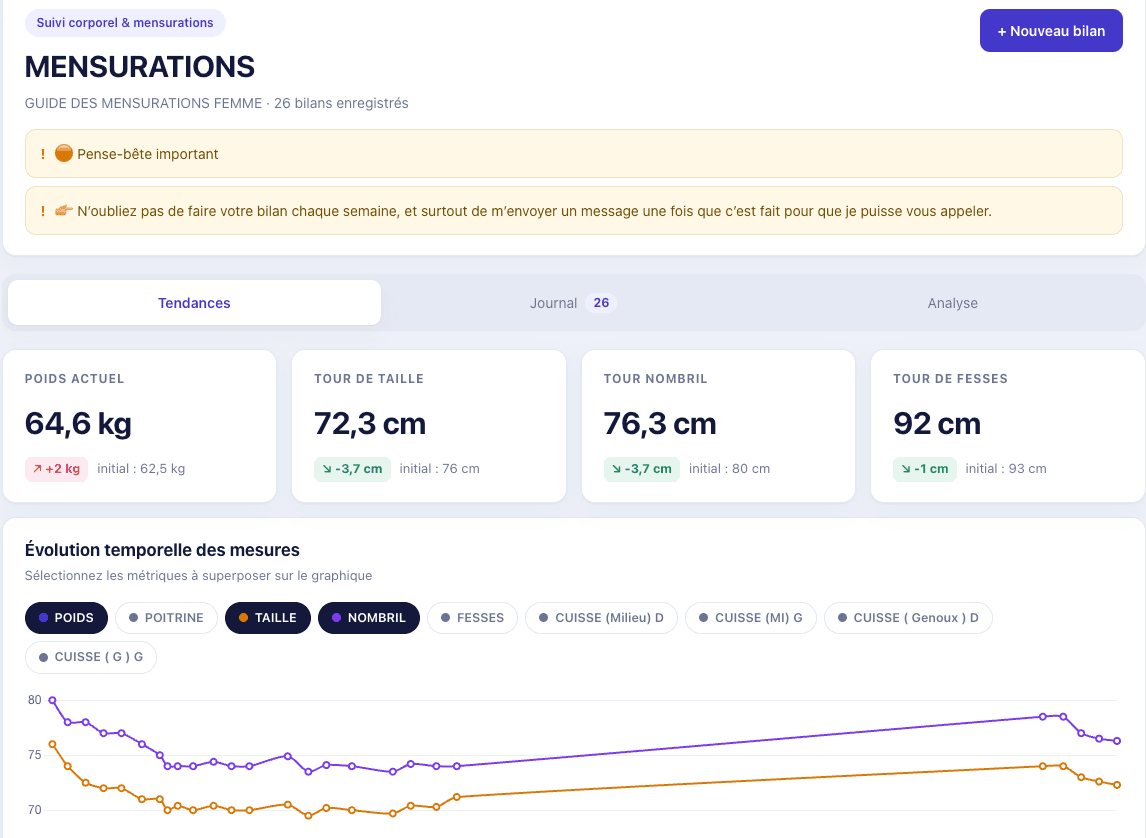
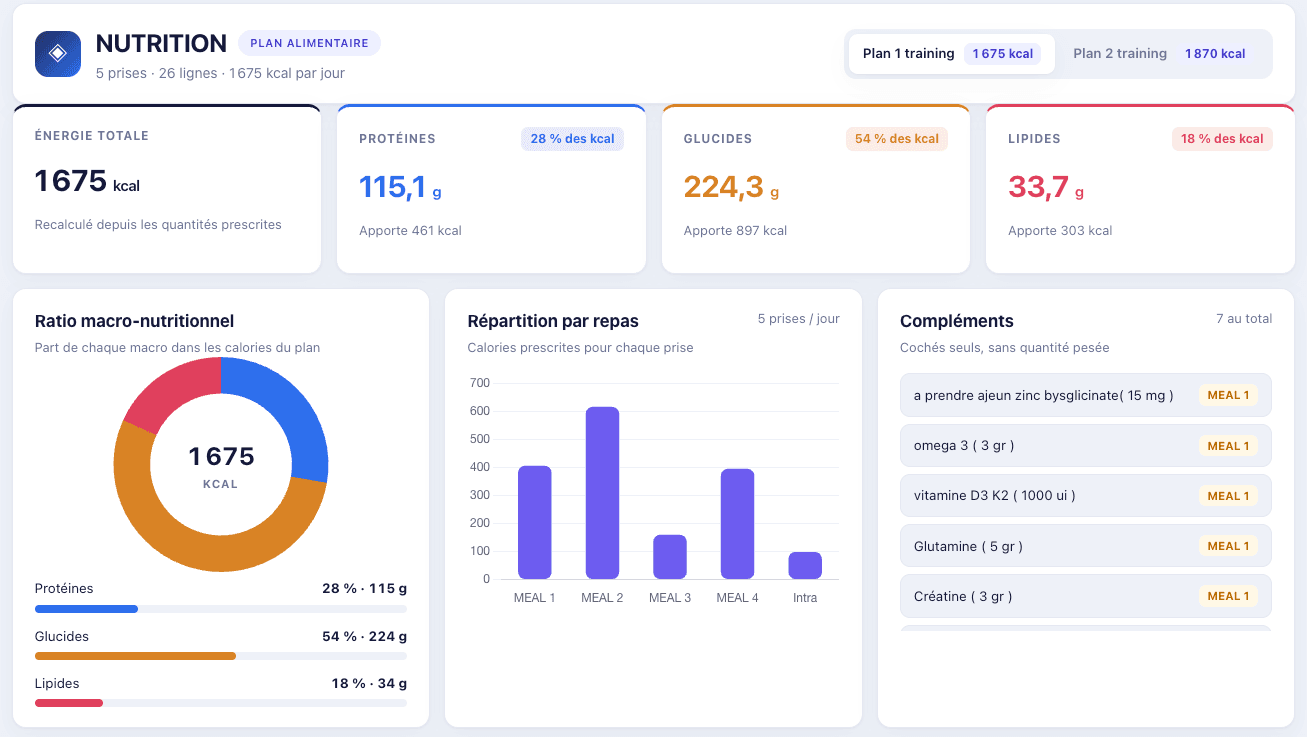
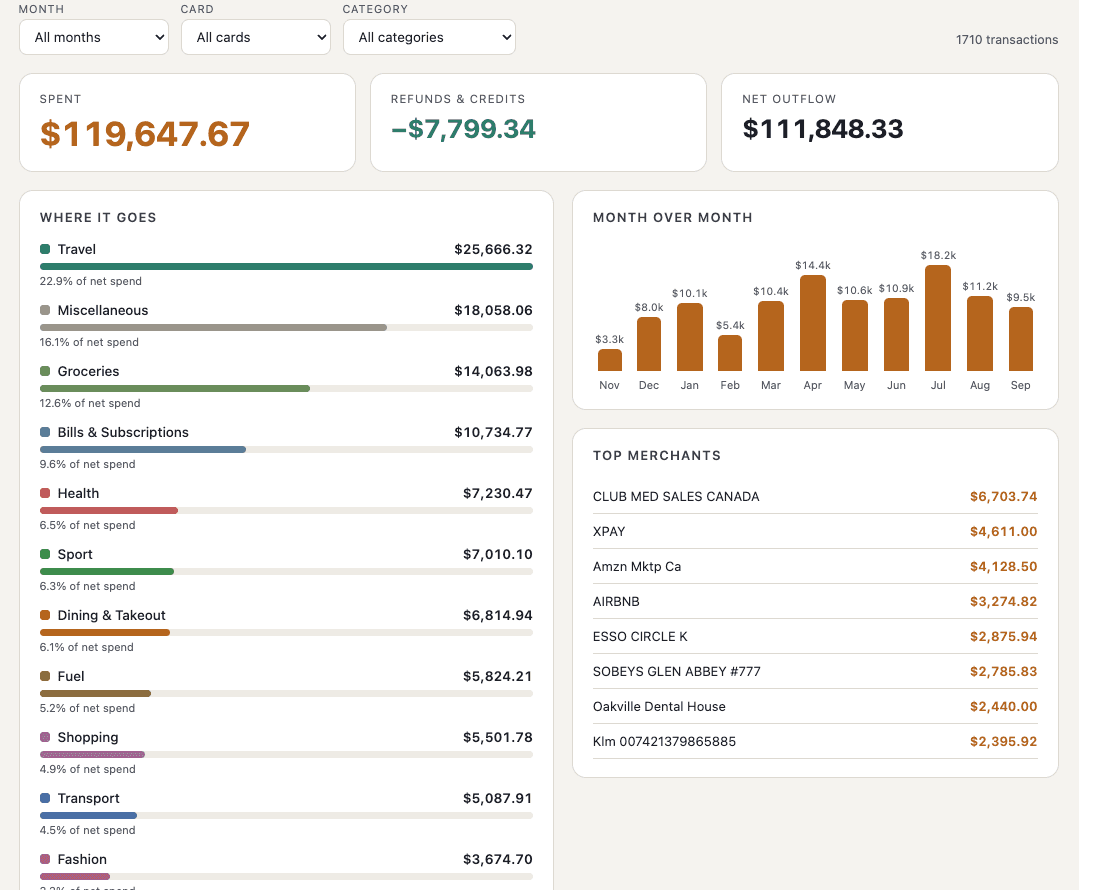
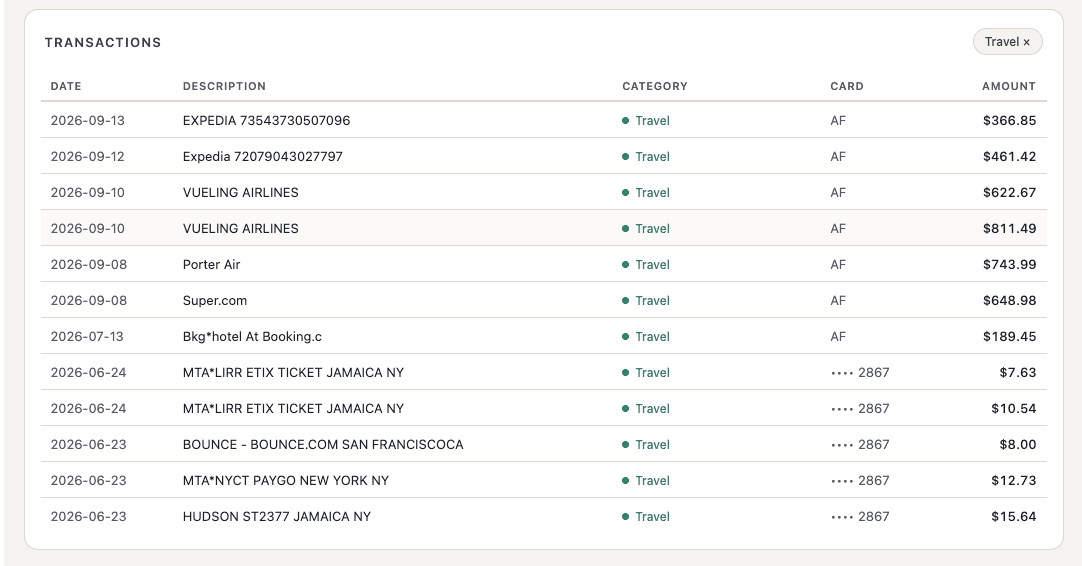
A dashboard on their phone. Measurement trends, diet adherence, training volume and the meal plan laid out meal by meal. Athletes log a day or add a measurement from the same screen. Nothing moved. The spreadsheet is still the record, and the coach still works the way they already did.

Value levers
  • Efficiency for the coachA month of an athlete's data reads at a glance instead of row by row, so checking in takes a moment rather than a sitting.
  • Quality for the athleteLogging and reading their own numbers on a phone stops being a chore, so the tracking gets done and progress is visible without having to ask.
Get in touch

What is taking too long in your business right now?

If there is a task that keeps getting repeated, delayed, missed or avoided, it may be a good place to start. Let us find out whether AI can make a meaningful difference.